Kazakhstan has a vibrant running community. Along with the rest of the world, this sport has gained much attention in recent years. Multiple races are held across the region throughout the year, including trail races. Kazakhstan, I would say, is a heaven for trail runners wanting to explore its vast natural landscapes. From the alpine slopes of the Tien Shan and Altai ranges in the south and east to the wide-open northern steppes, the country offers diverse terrain for trail running and hiking.
Several trail races have started near Astana, the capital. The biggest among them is the Aqbura Bay Trail, organized by Extreme Athletics in Burabay National Park. We had originally planned to take part in this race; however, due to other commitments, we couldn’t join this year (hopefully we’ll make it to next year’s edition).
To ease our FOMO from missing Aqbura, we looked for another race, and found the Bayanaul Trail, scheduled for August 24. It takes place near the village of Bayanaul (hence the name), about 450 km from Astana and 150 km from Pavlodar, another major city in northern Kazakhstan. The race had two categories, 10 km and 21 km, and we chose the former. We knew nothing about the place, the organizers, or even the route. We just blindly booked our slots and waited.
The Bayanaul region has two lakes close to each other. The first is Sabyndokol, around which the village of Bayanaul is located. The second is Zhasybay, developed as a resort area with hotels, homestays, and beaches. Most of these operate only in summer, as winters in northern Kazakhstan are extremely harsh, with few tourists apart from ice-fishing enthusiasts. By contrast, the village of Bayanaul lacks tourist infrastructure and is one of the sleepiest villages I’ve visited. Finding accommodation was difficult, we booked a shared place through a phone number we found in the race’s Telegram group. The only other option was spending the night in a yurt (the traditional tent of Kazakh nomads) by the lake. But we decided a proper night’s sleep before the race would be more beneficial. For our trip, we booked a shared taxi, since public transport is inconvenient. And off we went.
A little history of the region: Bayanaul village was founded in 1826 by Siberian Cossacks. In the 19th century, it was the administrative center of a district that was repeatedly formed and abolished, shifting between the Omsk and Semipalatinsk regions. The area is deeply tied to Kazakh legends, with its name believed to mean “prosperous hill” in Mongol-Turkic, though others connect it to the folk epic Kozy-Korpesh and Bayan-Sulu, a tragic love story. The unusual rock formations and lakes are often linked to these legends. In 1985, Bayanaul National Park was established, the first in Kazakhstan, dedicated to preserving its natural and cultural heritage.
The nearest town is Ekibastuz, which began as a mining settlement during Tsarist Russia and became one of the Soviet Union’s largest coal mines. It was also the site of a major labor camp in the Gulag system. Nobel Prize-winning author Alexander Solzhenitsyn served there as a political prisoner, and much of his work was inspired by his time in Ekibastuz. We were excited to run in a place steeped in legends, history, and natural beauty.
When we arrived in the village, we collected our race kits, had lunch at the only cafe (more like a canteen), relaxed by the lake until evening, and went to bed early. The accommodation was simple but comfortable, with warm and welcoming hosts. The next morning, we woke up early, got ready, and headed to the starting point.
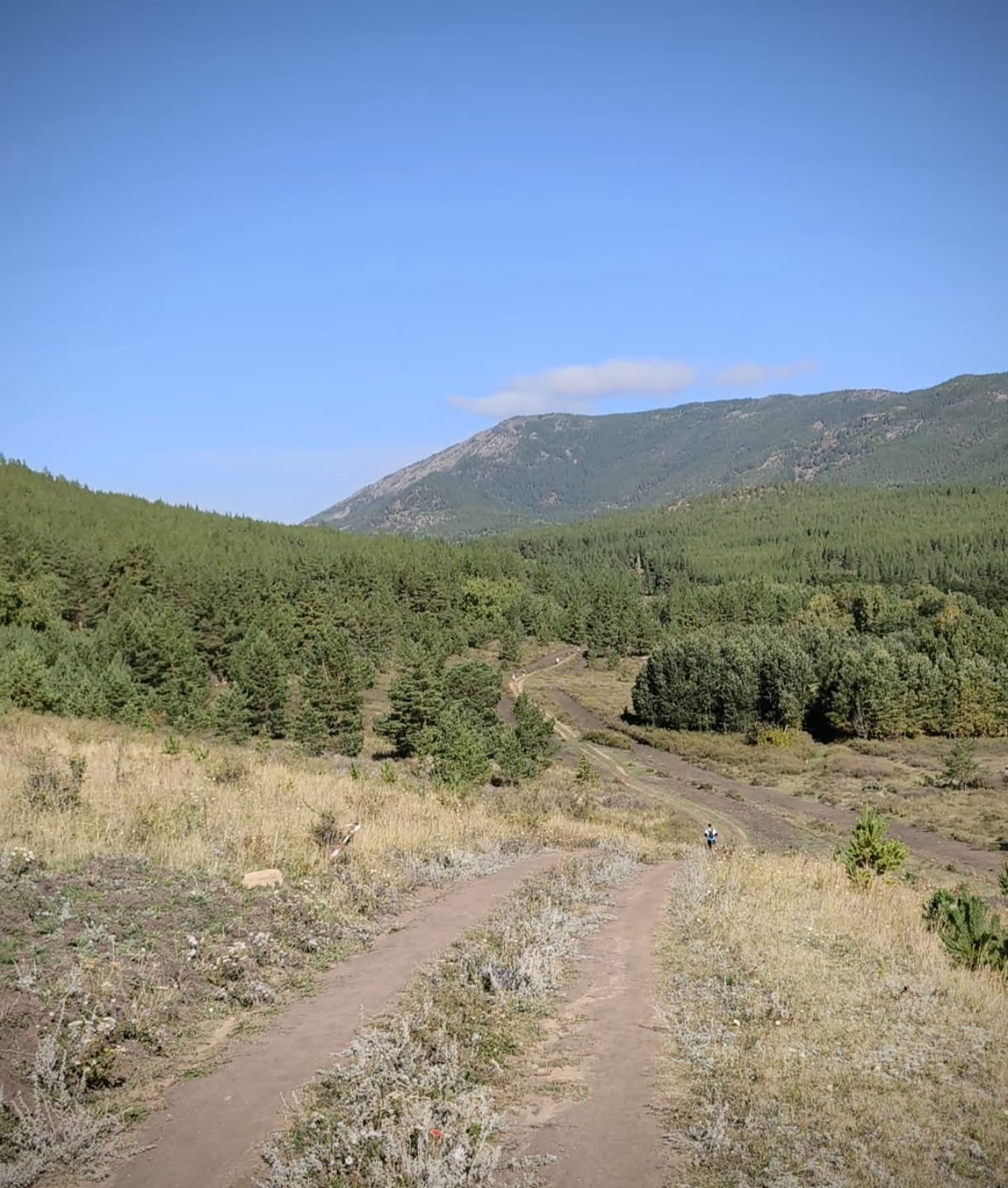
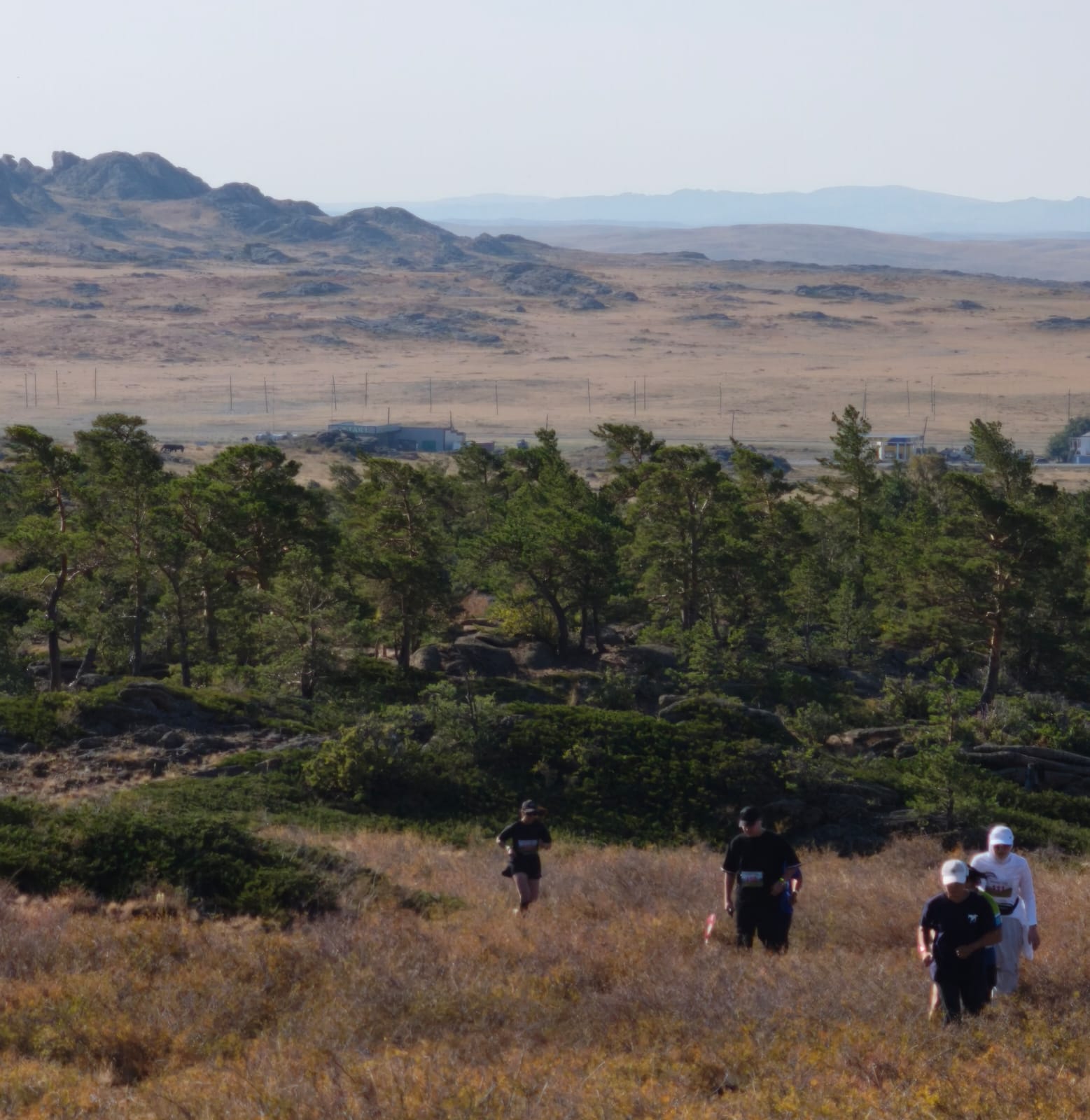
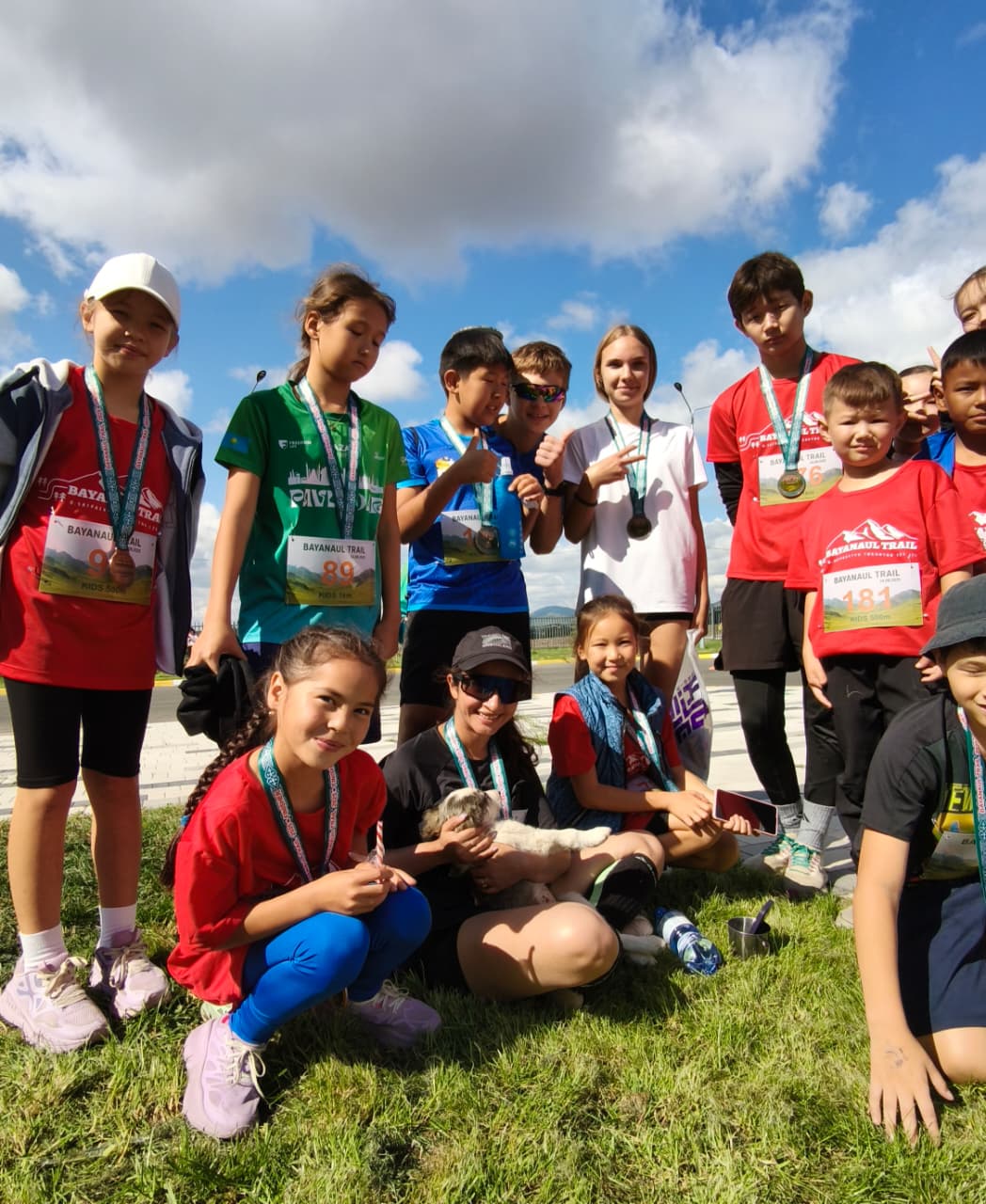
The race began at 8 am, with about 200 participants of all ages across both categories. The day was bright and sunny, and the atmosphere was buzzing. I had loaded the course and set up a PacePro strategy on my Garmin, but had to abandon it right at the first climb. It was my first time using PacePro, and I couldn’t keep up with the early elevation gain. The trail was mostly well-marked, except toward the end, where I lost several minutes searching for signs. My watch kept telling me I was off-course, but I eventually found the markers and got back on track. Overall, the race went well. I learned a lot about pacing and conserving energy at the start. With better planning and nutrition, I think I could have saved at least five minutes. The course itself was beautiful, passing through hills, forests, and gravel roads, with stunning views under a clear blue sky.
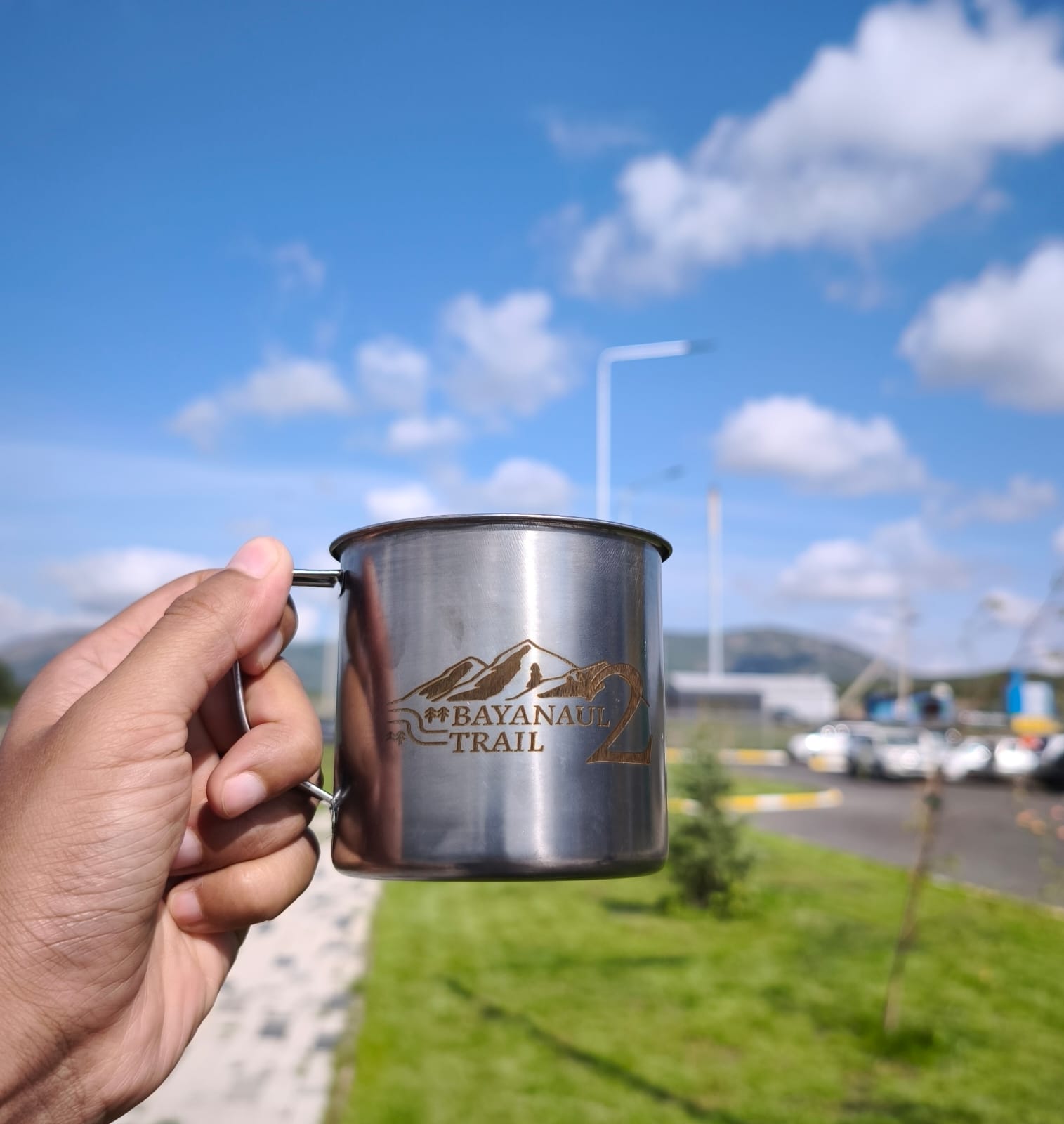
We’d like to thank the organizers for hosting this event. They did a tremendous job with such a small team. The medal was beautiful, and the race kit included personalized mugs and soft water bottles. Most importantly, the people were incredibly warm and hospitable. We never once felt like outsiders.
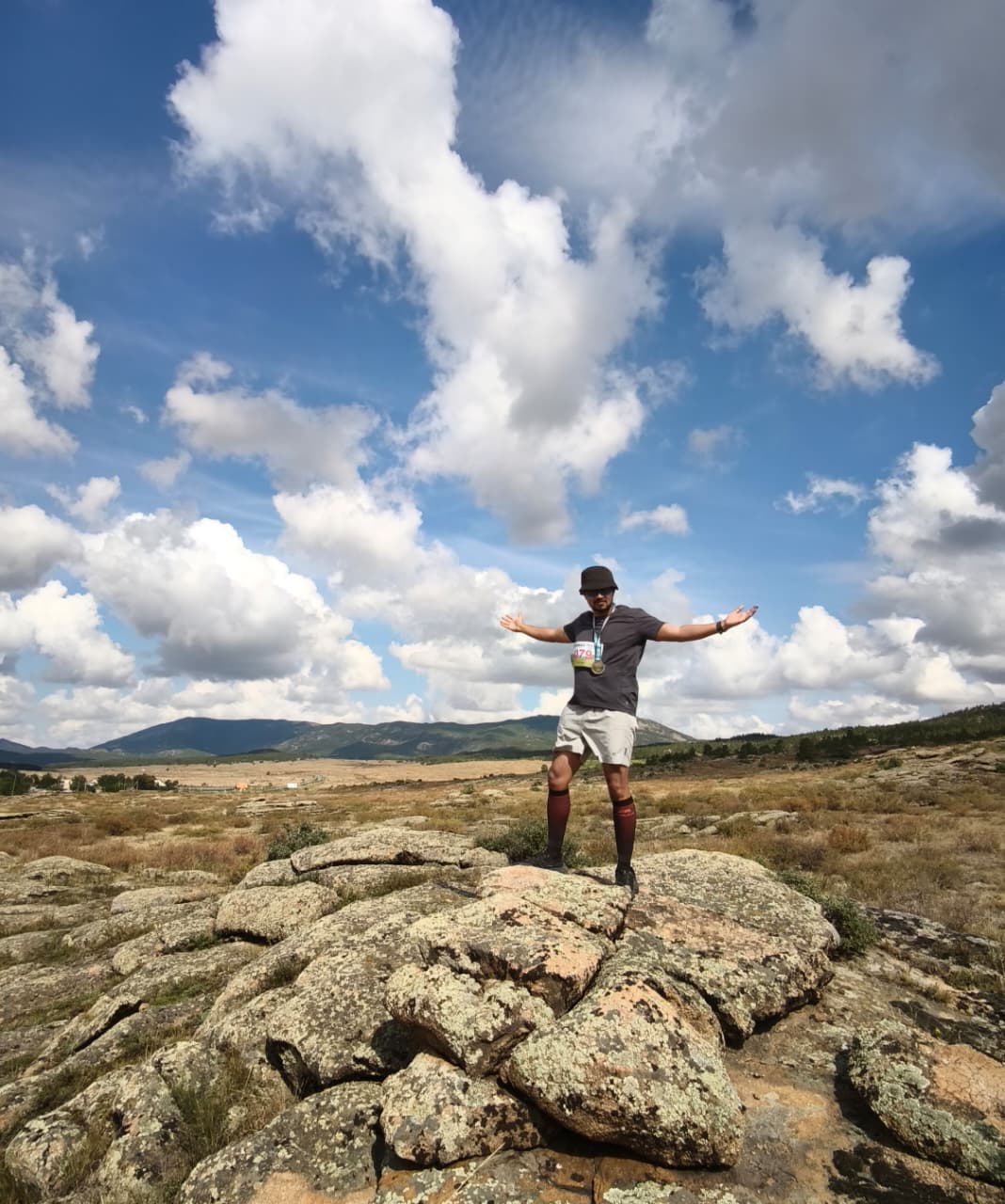
After the race and our photo ops, we had lunch and then relaxed by Lake Zhasybay. The water was freezing, so swimming wasn’t an option. We stayed there until evening, celebrating with a couple of drinks. The next morning, we returned to Astana with sore legs and hearts full of warm memories.
See you again, Bayanaul.